
Every year around the same time, the same question starts circulating through comment sections, group chats, and salon waiting rooms: what's actually worth cutting off before the heat sets in? Hairelle Fashion put that question to its readers and pulled together the cuts that keep coming up — not a random list of trending photos, but the styles real women report keeping past the first heatwave and still liking by the time September rolls around. What follows is a grouped, opinionated walk-through of the ones worth bringing to a stylist this summer.
Ask anyone who has gone short for summer why they did it and the answer rarely changes: shorter hair dries faster, holds less heat against the neck, and takes less daily effort to look finished. Those three reasons show up over and over in reader stories, and they explain why the cuts that dominate this list aren't the most dramatic ones — they're the ones that solve a real, repeated seasonal annoyance. A cut that photographs well but still needs twenty minutes with a diffuser every morning doesn't survive a July heatwave the way a wash-and-go bob or a low-effort pixie does.
There's also a maintenance conversation that doesn't get discussed enough before the first cut: shorter styles show regrowth and shape loss faster than longer ones, so a trim every four to six weeks isn't optional if the goal is keeping the silhouette that made the cut appealing in the first place. Readers who plan for that rhythm from the start tend to be the ones still happy with their cut in August; readers who treat the first cut as a one-time event are usually the ones growing it out by mid-summer out of frustration rather than choice.
Bobs dominate the reader favorites list for a simple reason — they're short enough to feel like a real change without crossing into pixie territory, which makes them the cut most people are willing to actually commit to. The French bob, cut at the chin with soft, barely-there ends, comes up again and again as the "safe but satisfying" option for a first short cut, flattering a wide range of face shapes without demanding much daily styling beyond a quick air-dry.

Beyond the French bob, the blunt bob and asymmetrical bob split the community roughly down the middle: the blunt version appeals to readers who want a clean, geometric line and don't mind a few seconds with a flat iron to keep the edges crisp, while the asymmetrical version — kept longer at the front, shorter at the back — gets picked by readers who want the visual drama of a short cut without every angle of their face reading identically. Both variations share the same underlying appeal that makes bobs the community's most-recommended entry point: they read as intentional and polished with a fraction of the styling time a longer cut demands.
Read the original roundup this community discussion started from on Hairelle Fashion, including the full styling breakdown for every cut mentioned here.
Once a reader has already done a bob and wants to go further, the conversation shifts to pixies — and the community is split fairly evenly between three variations. The classic pixie, cropped close and clean around the ears and nape, comes up most often from readers who want the maximum possible relief from summer heat and don't mind that there's genuinely nowhere to hide once it's cut. It's the version people describe as "committing," and the ones who make that commitment tend to report the highest satisfaction of any style on this list, precisely because there's no ambiguity about what they're getting.
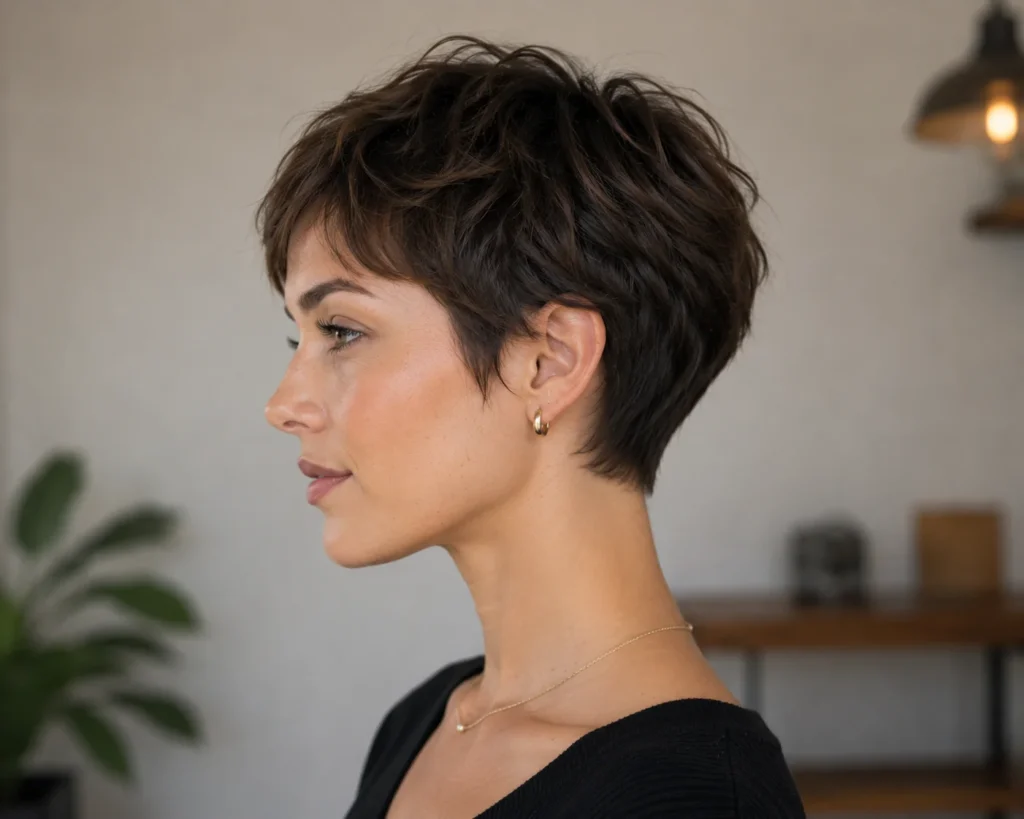
For readers who want the pixie's ease without the pixie's starkness, the bixie — a hybrid that borrows a bob's slight extra length and a pixie's low-maintenance shape — has become the most requested "in-between" option this year, alongside a bleached, platinum take on the classic pixie for anyone chasing maximum visual contrast against a summer tan. Neither is a subtle choice, and that's precisely why they keep getting recommended by readers who already know they don't want a cut that blends into the background.
Not every reader wants a smooth, defined silhouette, and the community has plenty to say about the cuts built specifically around texture rather than against it. A short shag, cut with deliberately choppy layers and a loose curtain fringe, gets recommended constantly to readers with naturally wavy or textured hair who are tired of fighting their hair's natural movement — the cut is designed to look intentionally undone, which means humidity and air-drying actually work in its favor instead of against it.

Curly crops earn similarly enthusiastic recommendations from readers with coily and curly hair types, largely because the cut is shaped specifically around how the curl pattern falls rather than forced into a silhouette designed for straight hair and then adjusted after the fact. A defining cream worked through damp hair is the one product step that comes up in nearly every reader comment about this cut — skip it, and the same haircut looks noticeably less finished by midday.
At the far end of the list sits the buzz cut, which reader comments treat less as a haircut trend and more as a genuine seasonal strategy — the single lowest-maintenance option available, with essentially zero daily styling time and complete heat relief. It's not recommended casually; readers who bring it up tend to have already tried shorter and shorter cuts over successive summers and arrived here deliberately rather than on impulse, which is worth knowing before anyone suggests it to a first-time short-hair reader.
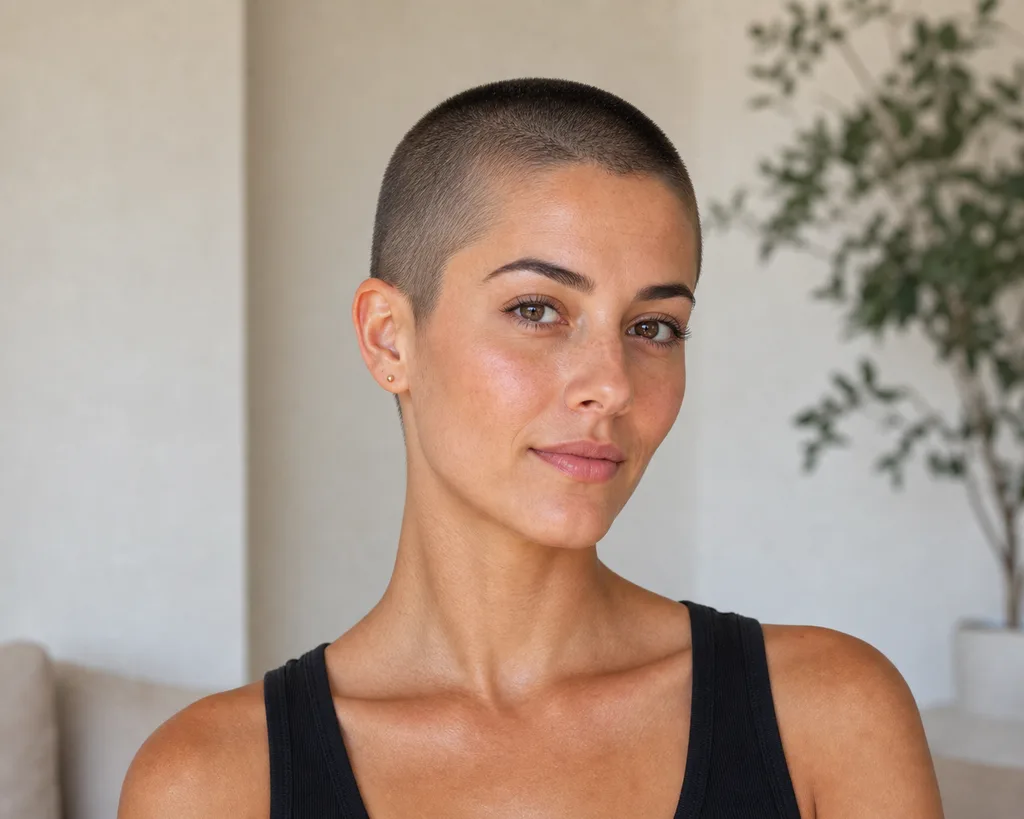
For readers who like the idea of a dramatically short cut but aren't ready for a buzz cut, styling a short crop with a silk scarf comes up as a genuinely popular middle ground — it keeps hair fully off the face and neck during the hottest part of the day while adding a styling element that a bare buzz cut doesn't offer. It's less a haircut recommendation than a styling technique, but it shows up often enough in reader threads that it earns a place on any honest summary of what the community is actually doing with short hair this season.
For more community-sourced styling guides across every hair type and length, see more from the broader Hairelle Fashion collection.
Ask which cut looks best on a stranger and readers will argue for hours; ask what actually keeps any of these cuts looking finished day to day, and the same handful of products come up regardless of which style someone chose. Salt spray scrunched into damp hair shows up constantly in threads about shags and curly crops, since it roughens the texture just enough to hold shape without the stiffness a heavier mousse leaves behind. For the smoother end of the list — French bobs and blunt bobs especially — a flat iron gets mentioned less as a full restyle and more as a quick pass over a handful of pieces that fell out of line, a few seconds of contact rather than a full blowout.
Piecey pixies and textured crops get a different recommendation almost every time: a small amount of matte paste worked through with fingertips rather than a comb, since a comb tends to smooth out exactly the separation the cut is designed to show. Curl-defining cream comes up specifically for curly crops and coily textures, applied to hair that's still damp rather than fully dry, and readers are fairly consistent in warning against heavier waxes and gels that weigh a short cut down instead of letting it move. None of this is complicated or expensive — the recurring theme in reader comments is that the right product matters far more than the amount used, and most of these cuts need noticeably less product than people expect walking in.
The single most repeated piece of advice across every reader comment on this topic isn't about a specific cut — it's about how to talk to a stylist before the scissors come out. Bringing a reference photo is useful, but readers consistently report better results when they also describe their hair's actual behavior: how it dries, whether it holds curl or drops it, how it's reacted to short cuts in the past. A stylist working from a photo alone is guessing at texture; a stylist working from a photo plus an honest description of how the hair actually behaves is cutting for the person in the chair, not for the model in the picture.
It's also worth naming face shape and lifestyle constraints out loud rather than assuming a stylist will ask. Readers who mention upfront that they have five minutes for styling on a normal morning, or that they swim several times a week, or that they're growing out color and don't want more bleach right now, consistently report cuts that hold up better over the following weeks than readers who left those constraints unspoken and hoped the stylist would guess correctly. None of the cuts on this list are wrong choices — the mismatch that causes regret almost always comes from a gap between what was communicated and what the stylist assumed.
The Hairelle Fashion community keeps growing across platforms — continue reading for more of this season's short-hair guides.